Sarah Ivers
Title: Professor of Biology
Subject Area: Organismal Biology, Scientific Documentation
Office Location: MAS427
Phone: (740) 351-3336
Email: sivers@shawnee.edu
Education
University of Kentucky
PhD in Entomology, 2011
Dissertation: Tritrophic effects of milkweed species on natural enemies of Aphis nerii
Johns Hopkins University, Krieger School of Arts and Sciences
Graduate Certificate in Science Writing, 2025
Shawnee State University
BS in Biology, 2007 – cum laude
BS in Natural Sciences with a Chemistry Concentration, 2007 – cum laude
BFA in Studio Arts Drawing, 2018 - summa cum laude
Minor in Photography, 2018
About
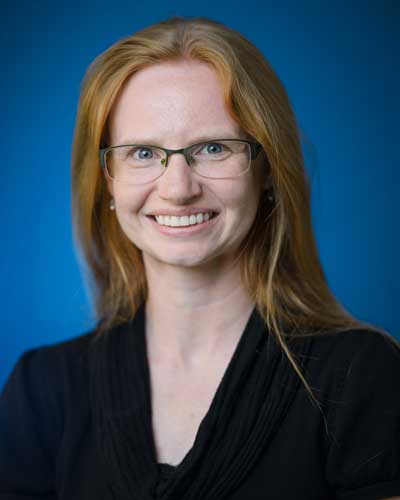
Dr. Sarah Ivers is a Professor of Biology in the Department of Natural Sciences at Shawnee State University. Her areas of expertise include insect-plant relationships, biodiversity, human impacts on organisms and systems, and scientific documentation and communication. As part of her teaching portfolio, Dr. Ivers leads field courses (nationally and internationally) and prioritizes authentic experiential learning opportunities in upper-level courses. Her current scholarly focuses involve ecological profiling and biodiversity assessments in Shawnee State Forest and Hanging Rock Preserve, cranial morphometrics of museum specimens, mammalian mortality associated with container debris, and communicating science to a general audience.
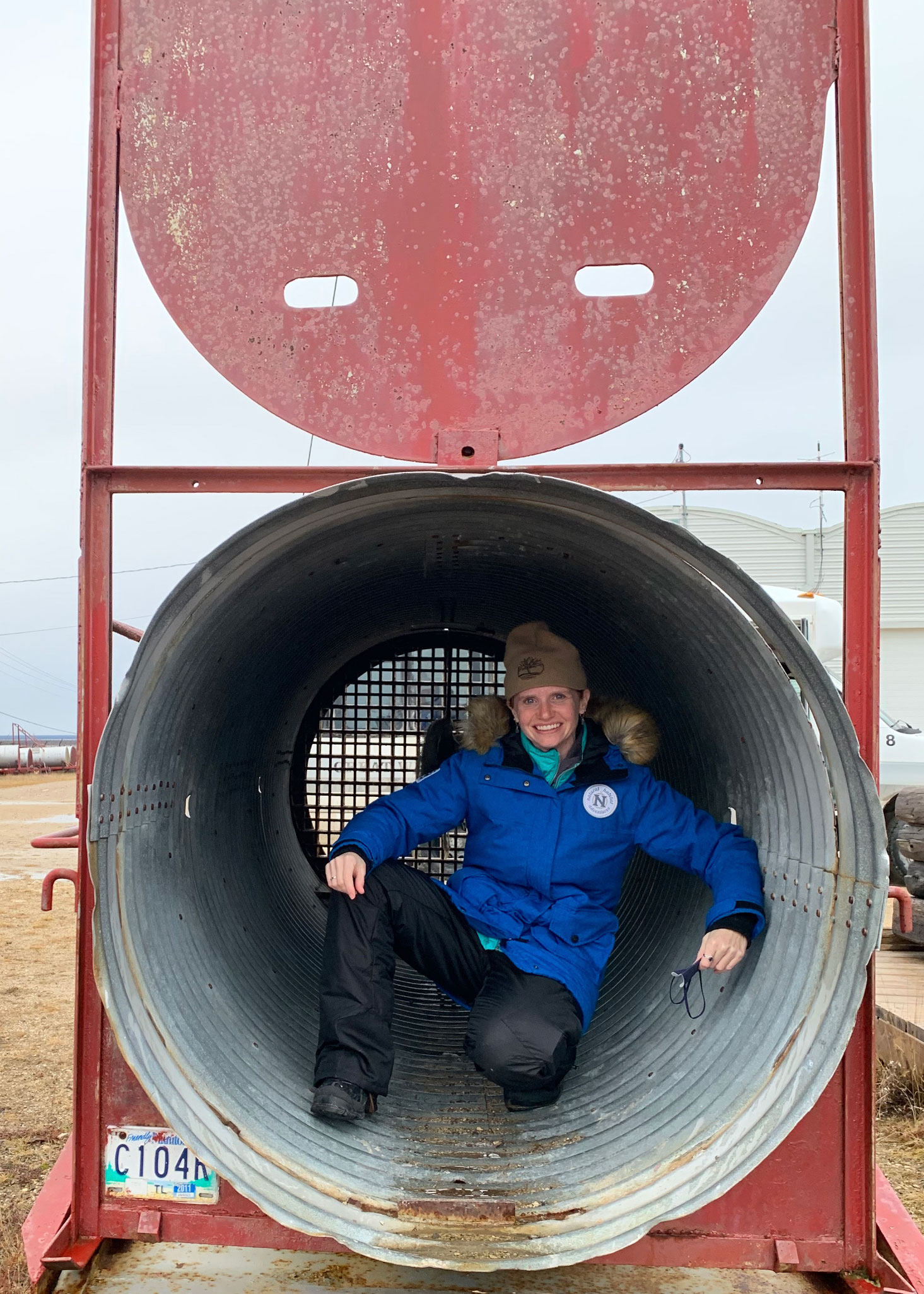
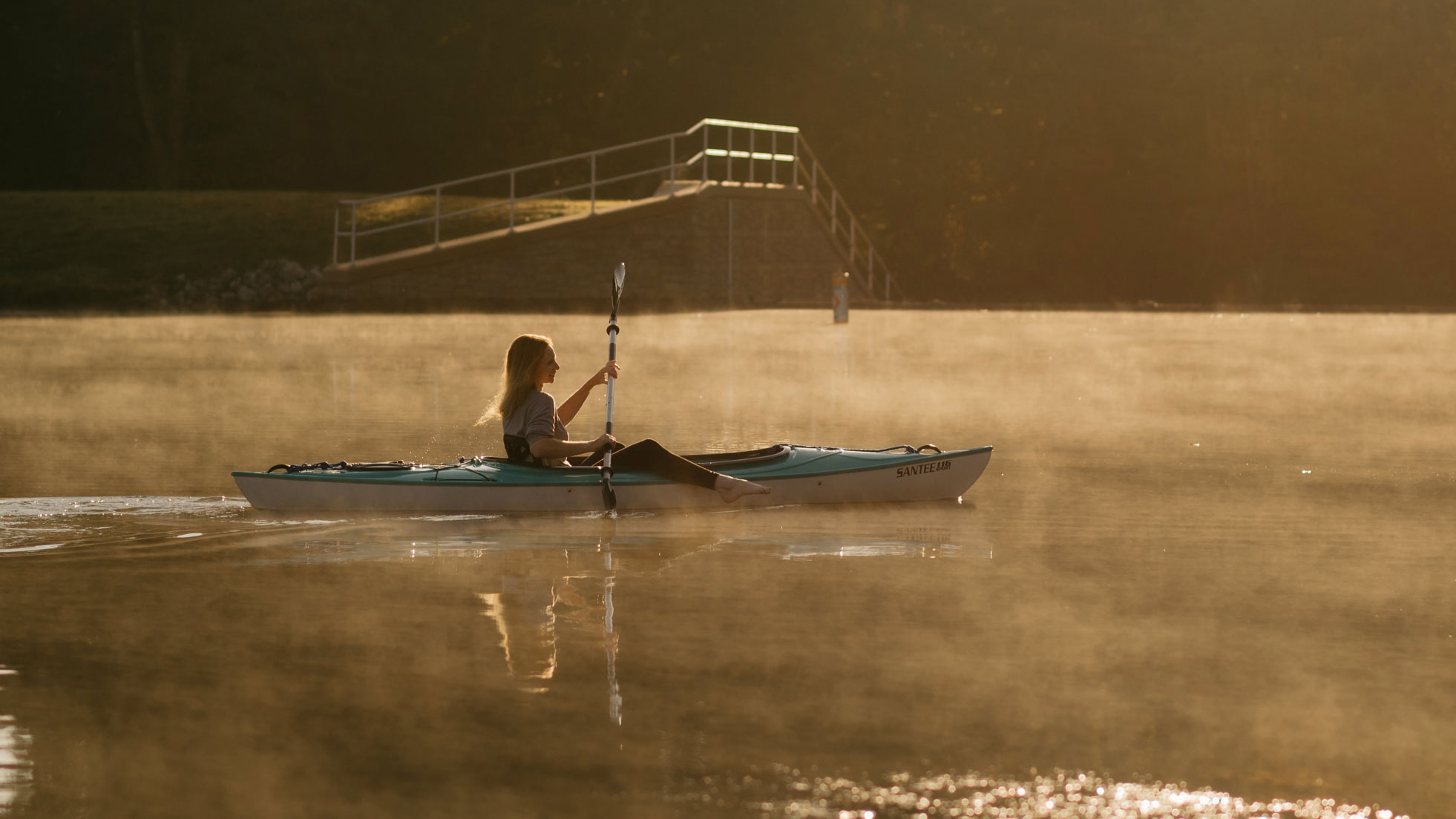
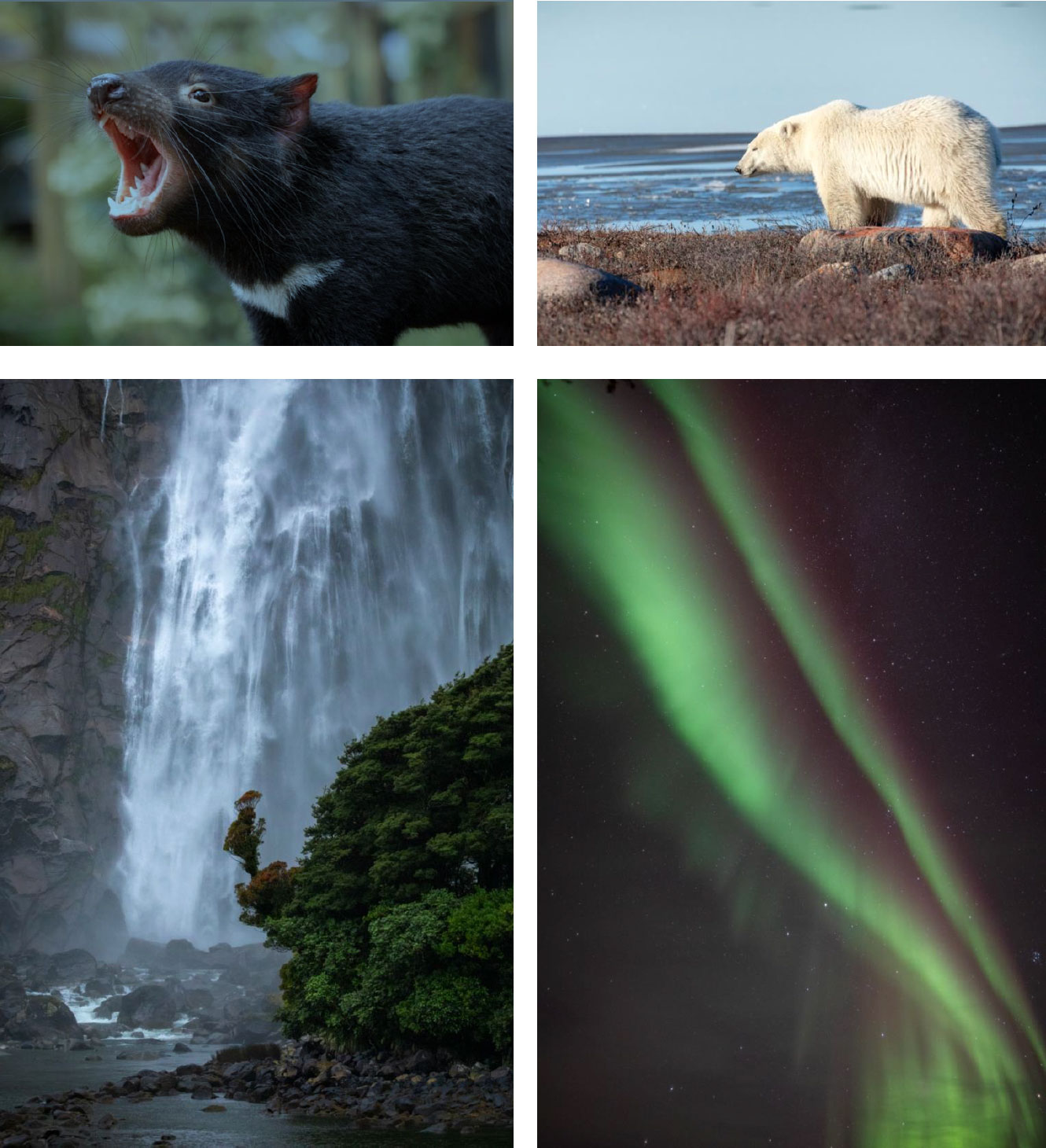
Dr. Ivers travels extensively to hike, kayak, and photograph landscapes and wildlife. Trip highlights include documenting polar bears in the wild, chasing the northern lights above the artic circle, kayaking the jaw dropping Milford Sound fjord in New Zealand, and listening to the growls of Tasmanian Devils in Australia. In her own backyard, she enjoys insect collecting and spending time with her Irish Setters. She is an award-winning multidisciplinary artist and in addition to exhibiting her photography, creates scientific illustration and insect assemblages.
Link to Professional Portfolio: www.sarahivers.com
Primary Course Offerings
- BIOL 1151 – General Biology I
- BIOL 1152 – General Biology 2
- BIOL 3100 – Field Studies in Biology, Costa Rica*
- BIOL 3100 – Field Studies in Biology, Coastal Ecology*
- BIOL 3350 – Entomology
- BIOL 3351 – Spider Biology
- BIOL 3852 – Marine Biology
- BIOL 4355 – Animal Behavior
- BIOL 4370 – Mammalogy
- NTSC 1110 – Scientific Reasoning and Methodology
- NTSC 2900 – Scientific Documentation and Communication
- IDST 4490 – Senior Seminar
*Extended Field Trips (lasting 9 days or longer, offered during summer semesters)
Special Course Offerings
- BIOL 3999 – Special Topics: Sixth Extinction (Fall 2020, 2022)
Description: An introduction to the Holocene Extinction. Course discusses underlying mechanisms, outcomes within specific lineages – focusing on case studies, and the current and future state of global biodiversity.
- BIOL 3999 – Special Topics: Voucher Specimen Preparation (Fall 2020)
Description: An introduction to documenting biodiversity and natural history through specimen collection, voucher preparation, and digital data archiving across a variety of taxonomic groups.
Field Experiences (enrollment by permission only)
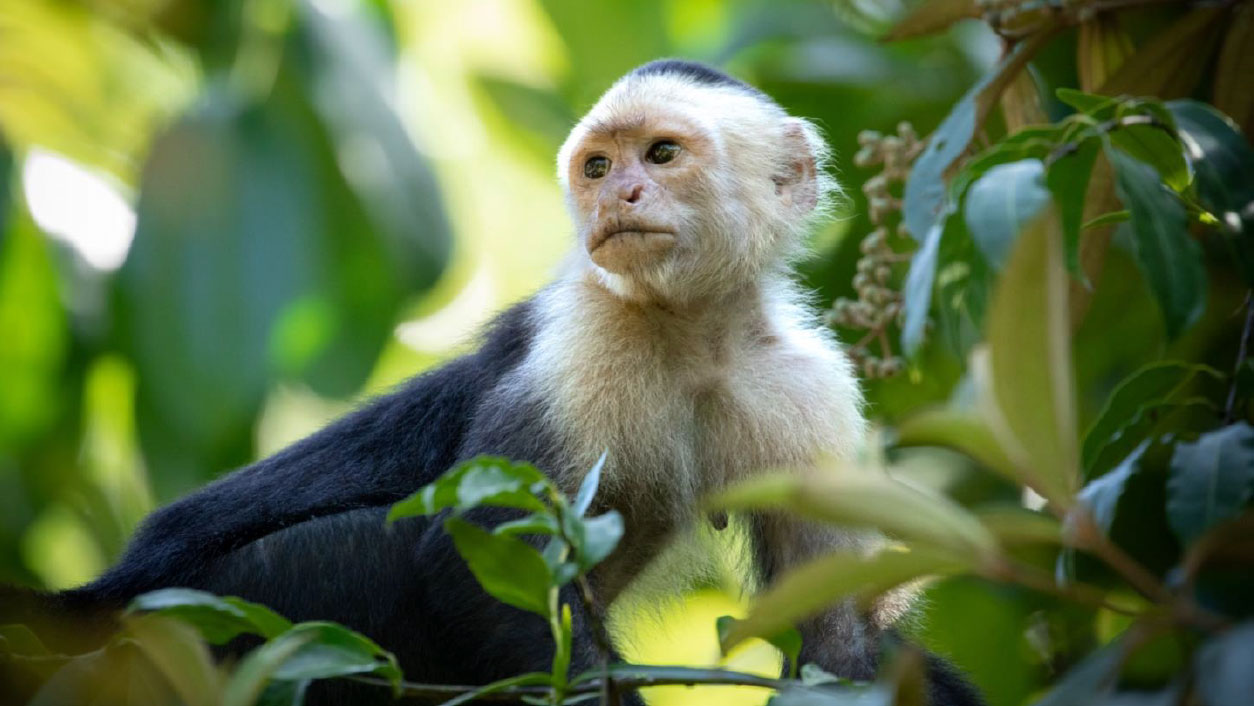
- Costa Rica (3 credit hours)
This immersive field experience takes place at the Caño Palma Biological Field Station within the Barra Del Colorado Wildlife Refuge (Limón Province) of Costa Rica. Students fly to San Jose and stay the night in Alajuela before traveling through Cloud Forest and then to the station by canal boat. On base, participants are surrounded by native fauna and flora – including monkeys, reptiles and amphibians, birds, and innumerable invertebrates. Students work alongside researchers to conduct marine turtle ovipositional surveys and nesting morning patrols. Depending on specific interests, students may also collect data on resident and migrant birds, tent making bats, plant phenology, climate, neotropical river otters, caimans, large mammals, and great green macaws. The base also manages the only snake ecology and PIT tagging program in the country.
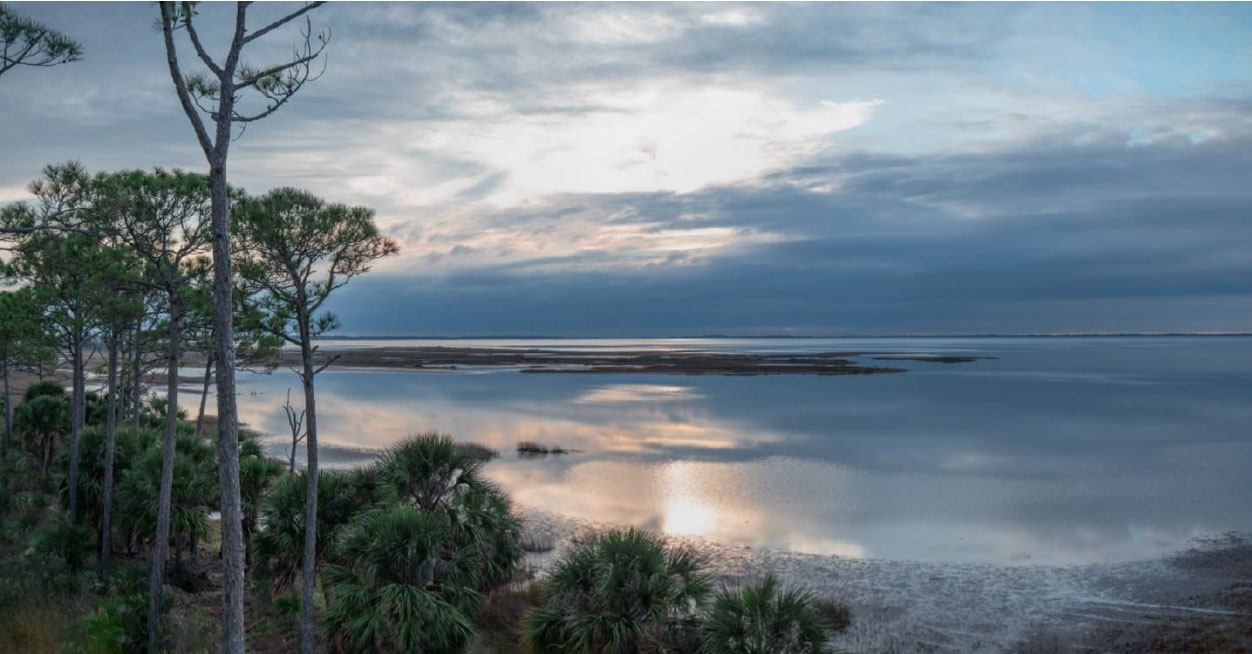
- Coastal Ecology (1 – 3 credit hours)
Students taking this field course complete terrestrial and marine laboratory exercises in the upper panhandle of Florida (staying at the Port St. Joe Buffer Preserve). The experience begins with a trip to the Georgia Aquarium to see whale sharks, beluga whales, and other marine inhabitants. Once at Port St. Joe, students collectively prepare an ecological profile of a small island, map the distribution of sea urchins in a sea grass bed, visit sites impacted by coastal erosion, catalog mollusk diversity, analyze sand composition and water chemistry, and travel to Wakulla Springs to observe manatees. Past trips highlights include dolphin sightings and sea turtle crawls. Students interesting in this course should first take Marine Biology.
Selected Service (current)
- Faculty Lead – Ohio Strong Start in Science Initiative, 2024 – Present
- Coordinator, General Biology and Organismal Biology Programs, 2023 – Present
- Chair, Campus Tree Care Committee, 2023 – Present
- Executive Committee Secretary – University Faculty Senate, 2021 – Present
- Faculty Advisor – Beta Beta Beta Biological Honor Society, Xi Upsilon Chapter, 2021 – Present
Research
My research and scholarly efforts focus on the following:
- Communication of scientific knowledge via narrative and personal essays
- Insect and arthropod community assemblages of native plants
- Ecological profiling of regional preserve and wilderness areas
- Vertebrate roadway mortality
- Mammalian mortality in discarded containers
- Spider community assemblages in urban sites
- Tritrophic cascades in insect-plant systems
- Cranial morphometric analysis of museum specimens for investigating metapopulation parameters
Research is conducted in the field and in the laboratory. Data is shared with agencies aiming to advance environmental stewardship and conservation, including the Canadian Organization for Tropical Education and Rainforest Conversation, Ohio Fish and Wildlife, and Arc of Appalachia. Nearly all research involves undergraduates. Students play a significant role in the experimental design, implementation, and presentation of findings at regional and national conferences.
Peer Reviewed and Extension Publications
- Gilmore, A. 2023. Interview of S. Ivers published in Bridges Magazine. https://m.bridgesmag.com/articles/c/8/i/73506897/polar-experience
- Minter, S. 2018. Japanese Rose of Sharon Moth Found Just North of Kentucky Border. Kentucky Pest News. https://kentuckypestnews.wordpress.com/2018/10/09/japanese-rose-of-sharon-moth-found-just-north-of-kentucky-border/
- Durno, D. 2015. Interview of S. Minter published in Raphia, Journal for Canadian Organization for Tropical Education and Rainforest Conservation.
- S. M. Colvin and K. V. Yeargan. 2014. Predators associated with oleander aphids: an investigation of predator fauna and the effect of A. nerii host plants on the development and fecundity of Harmonia axyridis and Cycloneda munda. Environ. Entomol. 87: 280-298.
- S. M. Colvin and K.V. Yeargan. 2013. The influence of host plant species on the frequency of defensive behaviors exhibited by the Oleander aphid, Aphis nerii, in response to the parasitoid, Lysiphlebus testaceipes. Ohio J. Science. 112:2-5.
- S. M. Colvin and K.V. Yeargan. 2013. Effects of milkweed host species on interactions between Aphis nerii (Hemiptera: Aphididae) and its parasitoids. J. Kansas Entomol. Soc. 86:193-205.
- S. M. Colvin, J. C. Snyder, R. Thacker, and K. V. Yeargan. 2012. Thinking outside the Asclepias box: oleander aphids and honevyine milkweed. Ann. Entomol. Soc. Am. 106: 214-221.
- Yeargan, K. V. and S. M. Colvin. 2009. Butterfly feeding preferences for four zinnia cultivars. J. Env. Hort. 27: 37-41.
Selected Presentations
*Indicates undergraduate student. For a full list of presentations, please contact Dr. Ivers.
- *Pfau, A. and Ivers, S. 2024. Increasing Environmental Awareness through Childhood Literacy. Ohio Natural History Conference. Oral Presentation. Columbus, Ohio.
- *Lawson, K. 2023. A Comparison of Arachnid Diversity Between Shaded and Unshaded Roadsides. Natural Sciences Undergraduate Research Day. Portsmouth, Ohio.
- *Sizemore, A., 2022. Using Morphometric Analysis to investigate Metapopulation Parameters. Natural Sciences Undergraduate Research Day. Portsmouth, Ohio.
- *Parsley, K. and Ivers, S. 2022. Investigation of Casual Factors Underlying Mammalian Mortality in Discarded Containers. Ohio Natural History Conference. Poster Presentation. Columbus, Ohio.
- *Young, N, *Oehlers, V, and Ivers, S. 2022. Documenting Mammal Diversity among Microhabitats in Shawnee State Forest. Ohio Natural History Conference. Poster Presentation. Columbus, Ohio.
- *Reader, B., *Vaughn, D. and Minter, S. 2020. Ongoing Ecological Profiling of Mammalian Diversity at Hanging Rock Preserve. Ohio Natural History Conference. Poster Presentation. Toledo, Ohio.
- *Davis, L. 2020. Bottle Bioherms: A Survey of Roadside Debris and its Impact on Wildlife. Natural Sciences Undergraduate Research Day. Portsmouth, Ohio.
- *Corvus, S. and Minter, S. 2019. Distribution and Behaviors of Coragyps atratus in Southern Ohio. Ohio Natural History Conference. Poster Presentation. Columbus, Ohio.
- *Fletcher, J. and Minter, S. 2019. Comparison of Vertebrate Roadway Mortality with Speed Limitations. Ohio Natural History Conference. Poster Presentation. Columbus, Ohio.
- *Collier, B and *Ruggles, M. 2018. A Comparison of Metapopulation Parameters Using Museum Specimens.
- Natural Sciences Undergraduate Research Day. Portsmouth, Ohio.
- *Callaway, S.,*Henke, A. and Minter, S. 2017. To Take the Bait or Not: Investigation Feeding Preferences in Peromyscus Mice. Trustee’s Competition Talk, Awarded $1,000 Trustee’s Award.
- *Dunigan, B., and Minter, S. 2017. Using Morphometric Analysis to investigate Metapopulation Parameters. Poster Presentation. Celebration of Scholarship, Portsmouth, Ohio. Competition Poster, $100 Award. Also presented at Ohio Natural History Conference. Poster Presentation. Columbus, Ohio.
- *Callaway, S. and Minter, S. 2017. Comparison of Resident and Non-Resident Peromyscus spp. using Radio Telemetry. Ohio Natural History Conference. Poster Presentation. Columbus, Ohio.
- *Polsley, L. 2016. Mammal Research on a Shoestring Budget: A Comparison of Four Trapping Methods. Annual Tri- Beta Conference, Athens, Ohio. Poster.
- *Martin, L. and *Polsley, L. 2016. Ecological Profiling of Mammalian Diversity for the Ohio Hanging Rock Preserve. Trustee’s Competition Talk. Talk also presented at annual Tri-Beta conference, 2016 as Poster.
- *Porter, A., *Blankenship, T., and Minter, S. 2015. A Comparison of Small Mammal Diversity among Microhabitats in Shawnee State Forest and an Investigation of Trap Efficacy for Small Mammal Capture. Ecological Society of America annual meeting. Poster Presentation. Baltimore, Maryland.
- *Dargavell, M. and Minter, S. 2015. A comparison of spider diversity among abandoned, managed, and naturally succeeded urban lots in Portsmouth, Ohio. Ohio Natural History Conference. Poster Presentation. Columbus, Ohio.
- *Porter, A. and Minter, S. 2015. A Comparison of Small Mammal Diversity among Microhabitats in Shawnee State Forest and an Investigation of Trap Efficacy for Small Mammal Capture. Ohio Natural History Conference. Poster Presentation. Columbus, Ohio.
- *Dargavell, M. and Minter, S. 2015. Spider Diversity in Downtown Portsmouth, Ohio. Trustee’s Competition Talk, Awarded $1,000 Trustee’s Award.
- *Fair, J. 2015. Baseline Natural History of Lepidoptera -Plant Interactions and Diversity in the Barra Del Colorado Wildlife Refuge, Tortuguero, Costa Rica. Celebration of Scholarship, Portsmouth, Ohio. Oral Presentation.
- *Martin, J. L. 2015. Non-Invasive Documentation of Large Mammal Activity. Celebration of Scholarship, Portsmouth, Ohio. Oral Presentation.
Additional Information
Recognitions
- 2025: Selected Artist featured in the Ohio Artist Registry Exhibition (1 of 36 selected)
- 2020, 2018, 2017: Nominee, Women Who Rock – Shawnee State University
- 2020, 2012: Nominee, Board of Trustees Distinguished Teaching Award – Shawnee State University
- 2018: Outstanding Achievement in Studio Arts –Shawnee State University Department of Fine Arts
- 2009: Outstanding Natural Science Graduate –Shawnee State University, Natural Sciences Department
Affiliations
- Beta Beta Beta Biological Honor Society – Xi Upsilon Chapter, Alumni Member and Chapter Advisor
- Canadian Organization for Tropical Education and Rainforest Conservation
- Ohio Biological Survey, Institutional Representative
- Ohio Valley Entomological Association