
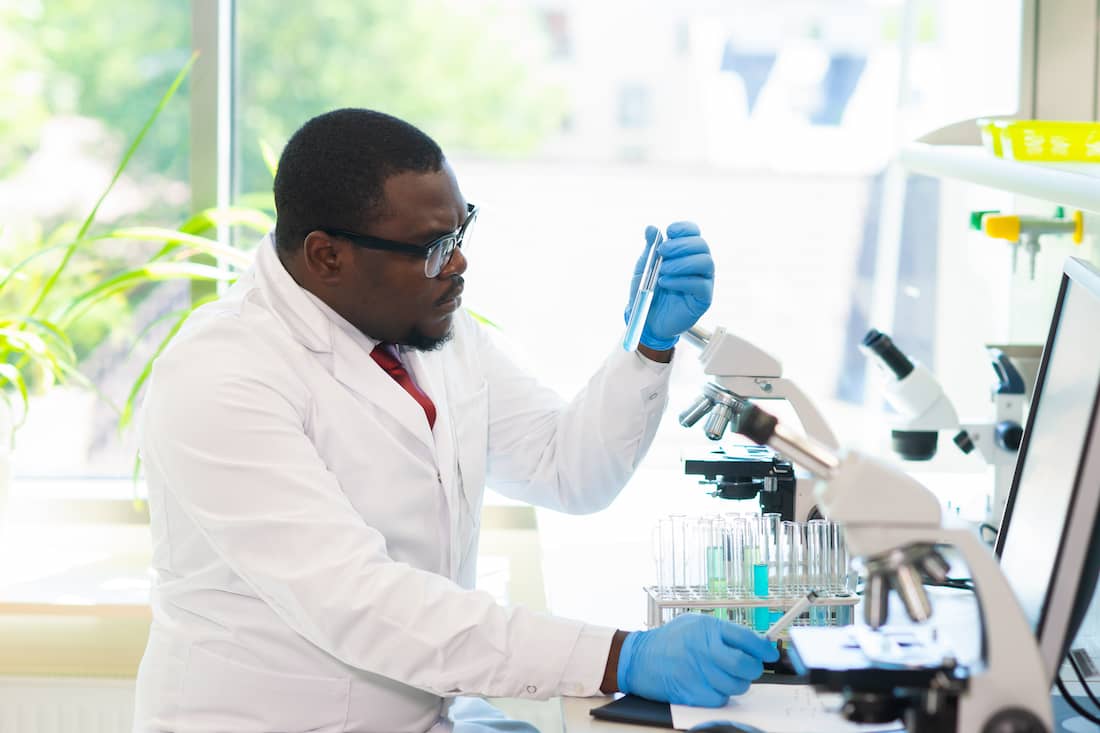
Considered one of the most essential tools that healthcare providers have available, clinical diagnostics provide physicians and other healthcare professionals with the accurate data and information they need to diagnose their patients properly. Personalized care is considered standard in today's modern and complex healthcare landscape. Behind the scenes, medical laboratory technicians ensure patients can get the care they need. Medical laboratory technicians enable life-saving decisions by analyzing data promptly and providing physicians with valuable data.
What Is Medical Laboratory Technology?
Medical laboratory technology is a healthcare field that focuses primarily on clinical diagnostics. While most MLT jobs are not patient-facing positions, medical laboratory technicians play a critical role in the healthcare field by performing clinical laboratory tests that help doctors diagnose, treat, and monitor patients' conditions.
Why MLTs Are Important
According to the World Health Organization (WHO), diagnostics are essential for healthcare providers, who must make accurate medical decisions daily about their patients. Medical laboratory technicians play a critical role in the healthcare field by:
- Supporting early disease detection
- Enabling effective infection control
- Improving chronic condition monitoring
This is an incredibly rewarding position, as MLTs can directly impact patient outcomes through their work, even if they may not often interact with their patients face-to-face.
Where Do MLTs Work?
The work settings for the leading medical laboratory technology jobs may vary based on the position. Most MLTs primarily work in hospitals and clinical laboratories, but other common work settings include:
- Physician's offices
- Outpatient clinics
- Private and public diagnostic laboratories
- Public health departments
- Research laboratories
- Veterinary labs
- Forensic labs
In the aftermath of the COVID-19 pandemic, there has been an increased need for diagnostic testing as providers work to improve patient outcomes through more personalized care. As a result, medical laboratory technology jobs are available in both rural and urban areas, allowing those interested in this field to pursue positions that interest them most.
Key Responsibilities of a Medical Laboratory Technician
Medical laboratory technicians are often responsible for a wide range of duties, which may vary based on their individual position and the laboratory where they work. Primarily, MLTs work to collect and prepare samples, which may include blood, urine, tissue, and other bodily fluids. Once the samples have been properly and safely collected, medical laboratory technicians will conduct both routine and specialized tests in specific areas, such as:
- Hematology
- Microbiology
- Clinical Chemistry
- Immunology and Serology
- Urinalysis
Due to the sensitive nature of the samples collected and tests performed, medical laboratory technicians must follow strict protocols for lab safety, hygiene, and patient confidentiality. In addition to performing clinical diagnostics, MLTs may have to operate and maintain laboratory equipment, record data, and provide physicians with diagnostic results as quickly and efficiently as possible.
Roles in Clinical Diagnostics for MLT Graduates
After graduating with an MLT degree, you will be positioned for success in this dynamic and growing sector of the healthcare field. These are some of the most common roles in clinical diagnostics for MLT graduates:
Medical Laboratory Technician (Generalist)
A medical laboratory technician, or MLT, is a skilled healthcare professional who can perform clinical diagnostics in a wide range of settings, including hospital laboratories, public health organizations, and research facilities. Within this role, MLTs work to collect samples and perform effective laboratory tests to provide physicians with accurate information that can be used to diagnose and treat their patients. MLTs have the opportunity to specialize in specific areas that interest them most, allowing them to advance their careers and pursue niche opportunities in the field.
Phlebotomy Technician
Phlebotomy technicians specialize in collecting and preparing blood samples for diagnostic testing or for blood donation. Phlebotomy technicians are trained to use several techniques to draw blood from their patients. While other clinical diagnostic roles are behind the scenes, phlebotomy technicians work closely with patients, often helping them feel comfortable and more relaxed while having their blood drawn.
Clinical Chemistry Technician
Clinical chemistry technicians are specialized MLTs who collect and test bodily fluids and analyze the chemical makeup of the samples. They may work alongside other medical laboratory technicians or in specialized labs that support biochemistry research.
Microbiology Laboratory Technician
Microbiology laboratory technicians often work alongside microbiologists to collect, prepare, and analyze samples that aid microbiology research. Microbiology laboratory technicians work with specialized laboratory equipment to test and evaluate microorganisms, such as bacteria, fungi, and viruses.
Immunology/Serology Technician
Immunology and serology technicians specialize in performing clinical diagnostic testing that focuses on identifying antibodies that may be present within a sample. Immunology and serology technicians work to:
- Identify antibody levels within a sample
- Provide physicians with diagnostics that allow them to diagnose autoimmune diseases or immunodeficiency disorders
- Provide physicians with data that can help determine if an individual is a suitable candidate for an organ transplant
Specialized or Emerging Roles in Lab Diagnostics
Rapidly advancing technology continues to change the landscape for laboratory diagnostics. As a result, new roles are emerging in the field. As technology evolves, MLTs can move into more specialized or advanced roles, particularly if they have professional experience or have invested in ongoing training and development. Some of the specialized roles in laboratory diagnostics that those with an MLT degree may qualify for include:
Molecular Diagnostics Technician
Molecular diagnostics technicians are responsible for analyzing nucleic acid from genetic material samples and providing physicians with clinical diagnostics that can help them detect genetic disorders in their patients. As genetic testing becomes more common and widespread, the demand for skilled and qualified molecular diagnostics technicians is expected to continue increasing.
Cytogenetic Technician
Similar to molecular diagnostics technicians, cytogenetic technicians specialize in clinical diagnostics that support the diagnosis of genetic diseases and conditions. Cytogenetic technicians analyze DNA samples to evaluate chromosomes. Through specialized staining techniques, cytogenetic technicians help providers detect the presence of cancer and other diseases.
Quality Assurance or Lab Information Systems (LIS) Coordinator
Quality assurance coordinators and laboratory information systems coordinators are administrative professionals who work in clinical diagnostics and ensure that all standards and protocols are followed. Using Laboratory Information Systems technology, or LIS technology, these coordinators process, manage, and monitor patient testing data.
Point-of-Care Testing (POCT) Specialist
Point-of-care testing (POCT) is a diagnostic tool being used more frequently in hospitals, clinics, and public health facilities. POCT specialists work closely with physicians to provide patients with rapid diagnostic results.
Advancement Opportunities for MLT Graduates
After completing an MLT program, graduates will find they can continue investing in themselves and advancing their careers. Some of the ways that you can grow your career as an MLT include:
- Pursuing professional certification
- Completing your bachelor's degree
- Transitioning to specialized roles or supervisory positions
Depending on your path, you may be able to pursue a wide range of healthcare roles, such as medical laboratory scientist, healthcare administrator, healthcare educator, or laboratory technology sales specialist.
Is Medical Laboratory Technology a Good Career?
The medical laboratory technology field is expected to grow in the coming years, largely due to rapidly advancing technology. As a medical laboratory technician, you may enjoy a stable work environment, high job satisfaction, and personal reward, knowing you are helping patients and contributing to accurate diagnoses. This flexible career path offers opportunities in clinical, research, or education, making it an excellent option for those who want to work in the healthcare field.
Learn More About the Medical Laboratory Technology Program at Shawnee State
Clinical diagnostics performed by medical laboratory professionals play a key role in providing patients with accurate diagnoses, allowing providers to create care plans that address their unique health needs. At Shawnee State University, we offer an Associate Degree in Medical Laboratory Technology with a skills-based curriculum, allowing students to develop an advanced understanding of the best laboratory practices and become proficient in the skills required to perform clinical diagnostics.
Graduates of this nationally NAACLS accredited, two-year associate degree program are eligible to be certified by the American Society for Clinical Pathology and the American Medical Technologists allied health association. They are qualified to perform a wide array of analytical tests in the areas of hematology, microbiology, chemistry, blood banking, coagulation, serology, and urinalysis.
Request more information about our medical laboratory technology degree today.