
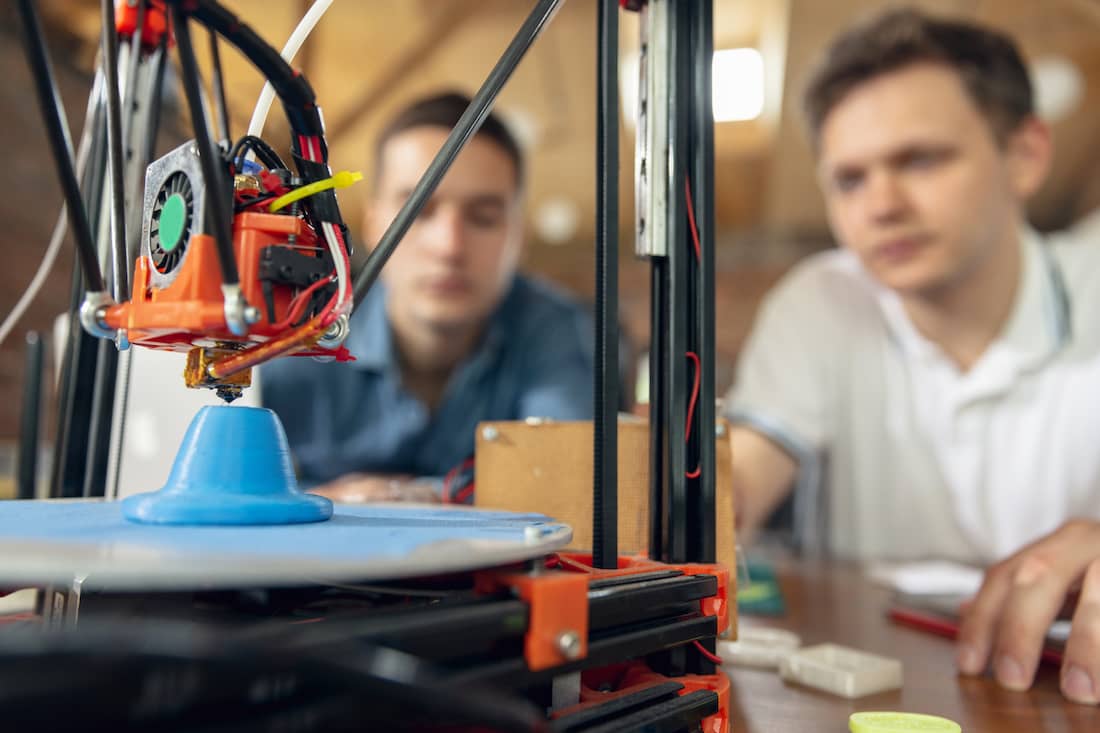
Today, plastics engineering is essential in many industries, especially in manufacturing, where plastics make it possible to design and create cost-effective products that advance industries. If you're looking for a hands-on career that allows you to put your problem-solving skills and creative thinking to work, then a plastics engineering technology degree may be right for you.
A Bachelor of Science in Plastics Engineering Technology degree could prepare you to be an integral part of plastics processing operations through coursework in parts and mold design, materials properties, and statistics.
What Is Plastics Engineering Technology?
Plastics engineering technology (PET) refers to an area of engineering that centers around designing and manufacturing plastics used across a wide range of industries. Engineers in this field work to ensure that plastics meet design specifications, cost constraints, and sustainability needs, all of which make it possible to create quality end-products for consumers.
According to the National Center for Education Statistics (NCES), a degree in plastics engineering technology "prepares individuals to apply basic engineering principles and technical skills in support of engineers and other professionals engaged in developing and using industrial polymers."
While no two plastics engineering technology programs will be exactly alike, many of them will offer courses in such areas as:
- Chemistry
- Prototyping
- Plastics processing
- Quality control
- Part and mold design
Likewise, a program in plastics engineering technology may offer opportunities for hands-on learning in the form of labs, co-ops/internships, and other real-world project experience.
5 Entry-Level Career Opportunities
Immediately after earning a plastics engineering technology degree, graduates can explore many entry-level roles in the field. In these roles, a new plastic engineer can gain practical experience while strengthening the skills needed to move into more advanced roles in manufacturing and innovation down the road.
So, what are some of the most common entry-level roles to explore with a degree in plastics engineering technology?
1. R&D Technician
Research and development technicians assist R&D teams in testing materials, building prototypes, and collecting technical data to evaluate the performance of various plastics under different conditions.
R&D technicians most often work in product research labs, but they may also be employed directly by plastics manufacturers and product development firms. This type of role can be ideal for those interested in product innovation, material science, and other research-driven roles in the field.
2. Process Technician
Meanwhile, entry-level process technicians maintain product quality and line efficiency in manufacturing plants, production lines, and contract manufacturing. These professionals are primarily responsible for monitoring and adjusting plastic processing equipment, working most commonly with injection molding, blow molding, and extrusion machines.
This type of role is ideal for those who may want to move into process or manufacturing roles later in their careers. The work of a process technician offers valuable insight into machinery and processing.
3. Quality Control Technician
Quality control technicians play an essential role in engineering plastics by inspecting plastic parts and other components for defects. They also conduct tests on material properties and ensure material compliance with product specifications.
Often hired by manufacturing companies, quality assurance departments, and testing labs, quality control technicians can gain extensive expertise in product standards and testing methods, which could prepare them for future work in quality engineering or even regulatory compliance.
4. CAD Technician (Plastics Design)
In plastics design, CAD technicians work with Computer-Aided Design software to create detailed drawings and 3D models of plastic parts, mold components, or tools as part of the critical design process. These technicians often work in engineering departments, product design firms, and mold shops, exercising their design creativity while maintaining technical precision.
With the experience gained in this entry-level position, CAD technicians may eventually advance into roles in product development or tooling.
5. Machine Operator/Technical Apprentice
A machine operator or technical apprentice is another common entry-level role in plastics engineering technology. Professionals here operate and maintain plastic molding machines under supervision as they gain direct experience in machinery setup and troubleshooting.
Gaining practical expertise in injection molding facilities, production shops, and with contract manufacturers is common for machine operators and technical apprentices. This experience can pave the way for advancement to technician or supervisory roles.
5 Mid-Level Careers: Engineering & Management
With experience gained from an entry-level position or co-op, many plastics engineering graduates can begin moving into mid-level roles in the field within two to five years. These positions typically offer increased responsibility and greater workplace autonomy. However, advancing into the senior or specialized roles below may require earning a master’s degree to deepen technical expertise and enhance leadership qualifications.
1. Manufacturing Engineer
Manufacturing engineers play a pivotal role in designing and improving manufacturing processes. They work to increase operational efficiency while reducing waste and maximizing product quality. Often working for plastics production plans, automotive suppliers, and consumer goods manufacturers, these engineers take on daily tasks such as troubleshooting equipment issues, implementing lean manufacturing processes, and designing workflows.
2. Process Engineer
Another common entry-level role for plastics engineers is that of process engineer, which involves developing, testing, and optimizing processes used to mold and form plastic materials. Process engineers look closely at parameters like cycle time, pressure, and temperature to optimize process efficiency and equipment reliability. They often work for medical device manufacturers, aerospace suppliers, and injection molding and extrusion operations.
3. Product Development Engineer
Product development engineers can be found working for consumer goods companies, packaging design firms, and industrial design consultancies. Most importantly, these professionals collaborate with designers and manufacturing teams to transform ideas into functional products. As part of this work, they may be responsible for the selection of materials, the development of prototypes, performance testing, and other assessments.
4. Tooling Engineer
Mold design shops, automotive suppliers, and other plastics product manufacturers call upon tooling engineers to create detailed CAD drawings to ensure that tools meet performance and production goals. Often working with machinists and designers, tooling engineers design and maintain the molds and other tooling used in plastic production to meet exact specifications.
5. Materials Engineer (Plastics Focus)
Finally, materials engineers with a focus on plastics are responsible for testing and evaluating different polymers to determine whether they are suitable for different applications. As part of this work, they must also collaborate with product development and R&D teams to make recommendations based on factors like cost, performance, and environmental needs.
Materials engineers can work in just about any industry, with some of the most common including aerospace, automotive, electronics, packaging, and healthcare.
5 Advanced Career Opportunities & Specializations
In entry-level and mid-level positions alike, plastics engineers can gain the in-depth knowledge and understanding of the field needed to advance into more prestigious positions eventually. This can include not just highly technical and skilled roles, but leadership positions as well.
So, what are some of the advanced jobs you may be able to pursue in plastics engineering with enough experience under your belt?
1. R&D Engineer
Research and development engineers can be found in corporate R&D labs, chemical companies, medical device firms, and aerospace organizations alike, leading research initiatives to develop new plastic materials, improve product performance, and optimize manufacturing technologies. These professionals may work in niche areas that include advanced molding techniques, nanocomposites, and sustainable polymers, which require a great deal of skill and experience.
2. Project Manager (Engineering or Manufacturing)
The engineering and manufacturing industries also need knowledgeable project managers to oversee complex projects from design through production and beyond. Plastics engineering and manufacturing professionals with significant experience may advance to project management positions. In these roles, they will oversee budgets and schedules and lead cross-functional teams to develop and launch new plastic products and systems.
Project managers work in a wide range of settings, with some common work environments including manufacturing companies, contact engineering services, and design firms.
3. Operations Manager/Plant Engineer
Plastics manufacturing plans, custom molding facilities, and supply chain hubs often employ operations managers or plant engineers to assist with optimizing the performance of a production facility through staffing, quality assurance, and process efficiency. Those with enough experience working in production facilities and engineering operations may eventually work their way up to these types of advanced roles, where they can put their expertise to work in optimizing operations.
4. Sustainability Specialist (Polymers & Plastics)
As the demand for more environmentally sustainable products increases, many packaging companies, sustainability consulting firms, and even regulatory bodies are hiring sustainability specialists in polymers and plastics for guidance. These professionals work to evaluate and minimize the environmental footprint of plastic products on the market, focusing on the use of recyclable materials, biodegradable alternatives, and regulatory compliance for green manufacturing above all else.
5. Technical Sales Engineer (Plastics or Tooling)
Last but not least, technical sales engineers in plastics or tooling serve as a critical bridge between consumers and engineering teams. These professionals bring their own technical expertise to the table when it comes to plastic materials, machinery, and tooling solutions to help their clients pinpoint the right solutions and close sales. Technical sales engineers often work for plastics suppliers, equipment manufacturers, and mold makers.
Industries That Hire Plastics Engineering Graduates
One of the most compelling reasons to pursue a degree in plastics engineering technology is its versatility. Because a wide variety of industries rely on plastics engineering professionals, graduates from these programs can enjoy a sense of versatility and stability as they embark on this career path.
So, what are some industries where plastics engineering graduates are in the highest demand?
Automotive & Transportation
Plastics are used extensively in the automotive and transportation industries, especially as automakers rely on them for lightweight, fuel-efficient parts (including dashboards, bumpers, and under-the-hood components). In recent years, there's been an increasing focus on the use of sustainable and recyclable materials for electric vehicles, so this is a common component of working in the field as well. Plastics engineers interested in working in this industry can explore roles such as:
- Process Engineer
- Tooling Engineer
- Materials Engineer
- Product Development Engineer
Medical Devices & Healthcare
Many medical products rely on plastics, especially for creating sterile, disposable, and biocompatible products. Syringes, medical tubing, and surgical tools are all examples of medical devices and hardware made with plastic parts. As the demand for precision-molded, FDA-compliant plastic components continues to grow, the work of these professionals could become even more important. Those interested in working in healthcare or medical device manufacturing can explore roles such as:
- Quality Control Engineer
- R&D Technician
- Manufacturing Engineer
Consumer Products & Packaging
Many of today's consumer products and packaging contain plastic components, from food containers to electronics casings and toys. Reliant upon their durability and cost-effectiveness, many companies turn to plastics engineers to help create sustainable packaging with the circular economy in mind. Interested in a role in this industry? Check out such job titles as:
- Product Development Engineer
- Tooling Engineer
- Plastics Engineer
Aerospace & Defense
Plastics engineering is essential in the aerospace and defense industries, especially when it comes to the use of lightweight materials to reduce aircraft weight and optimize fuel efficiency. Today, aerospace and defense manufacturers are seeking plastics engineering professionals to assist with the integration of plastics with metal or carbon-fiber composites for improved strength-to-weight performance. Interested in this type of work? Common roles worth looking into may include:
- R&D Engineer
- Process Engineer
- Materials Engineer
Construction & Infrastructure
Plastics engineers are also needed in construction and infrastructure, especially as the increasing demand for energy-efficient and eco-friendly building materials has led to the use of more thermoplastics. Today, plastics engineers assist in designing components for piping systems, sealants, and fittings that are durable and resistant to corrosion, with common career paths including:
- Manufacturing Engineer
- Tooling Technician
- Quality Control Technician
Electronics & Electrical Components
In the electronics and electrical fields, plastics are used to insulate, protect, and house important components inside electrical panels, wire coatings, and consumer products. Today, as the field gravitates toward the miniaturization and integration of plastics into circuit and component housing, there's a need for experts to fill the following roles:
- Quality Assurance Specialist
- Product Designer
- Plastics Engineer
Emerging Fields
In addition to the above fields, where plastics engineers have been integral for many years, there are some industries where the demand for these professionals is just starting to rise. Examples of emerging industries where plastics engineers may be able to find work in the future include:
- Additive Manufacturing (3D Printing): Designing materials and processes for printed thermoplastics.
- Sustainability & Bioplastics: Creating compostable or recyclable alternatives to traditional polymers.
- Renewable Energy: Designing components for wind turbines, solar panels, and energy storage devices.
How Shawnee State University Prepares You for These Roles
From roles in automotive and transportation to consumer products, packaging, electronics, and everything in between, a career in plastics engineering offers the versatility, job security, and room for advancement that many of today's workers seek. The key, of course, is a solid education that sets you up to confidently navigate this industry's opportunities and challenges.
Shawnee State University's Bachelor's in Plastic Engineering Technology degree program offers the career-focused curriculum and supportive learning environment to ensure program graduates can thrive in the dynamic field of plastics technology. With plenty of opportunities for hands-on learning, students can build both technical skills and core proficiencies. Plus, this program is one of just a handful of programs accredited by the Engineering Technology Accreditation Commission of ABET.
Learn more about SSU's plastic engineering program today, or take the next step in your journey by filling out an application for admission.