Environmental Life Science Minor
Build a biologically focused understanding of environmental systems — and the practical skills to analyze, interpret, and address them — through coursework in ecology, field methods, GIS, and biostatistics.

Program Overview
The life and environmental science minor at Shawnee State University provides students with a biologically focused understanding of environmental systems and challenges. This 20-credit-hour minor in environmental life science is designed for students interested in fields such as conservation biology, environmental consulting, ecology, public health, or science education.
Through courses in ecology, environmental science, biology, field research, and geospatial tools, students gain the knowledge and practical skills needed to analyze, interpret, and address biological issues in natural and human-impacted environments. This environmental and life science minor complements majors in the natural sciences and social sciences, offering students interdisciplinary training for both graduate study and career advancement.
At A Glance
Environmental Life Science Minor
Degree
Minor
Format
On campus
Length
Complete alongside your major
Credits
20
Why Study Environmental Life Science Minor at Shawnee University
You'll build a solid foundation in ecology and environmental biology, then pair it with field methods, GIS, and statistics — a combination employers in conservation, consulting, and environmental health ask for by name.
Coursework is hands-on. BIOL 2201 Field Methods gets you outside collecting and analyzing data, not just reading about it. GEOL 4420 Introduction to GIS gives you applied software experience that travels well into government, NGO, and consulting jobs.
The minor pairs cleanly with biology, health sciences, natural sciences, environmental studies, sociology, education, or political science majors.
The Environmental Life Science minor is 20 credit hours of coursework in biology and geoscience. A grade of "C" or better is required in all minor courses.
- BIOL 1152 General Biology 2
- BIOL 2200 Applied Biostatistics
- BIOL 2201 Field Methods
- BIOL 3850 Ecology
- BIOL 3851 Environmental Science
- GEOL 4420 Introduction to Geographic Information Systems
- Biology, natural sciences, and health sciences majors
- Environmental studies majors looking for stronger biological grounding
- Sociology, political science, or education majors interested in environmental work
- Anyone aiming toward careers in wildlife biology, conservation, environmental health, or graduate research in ecology
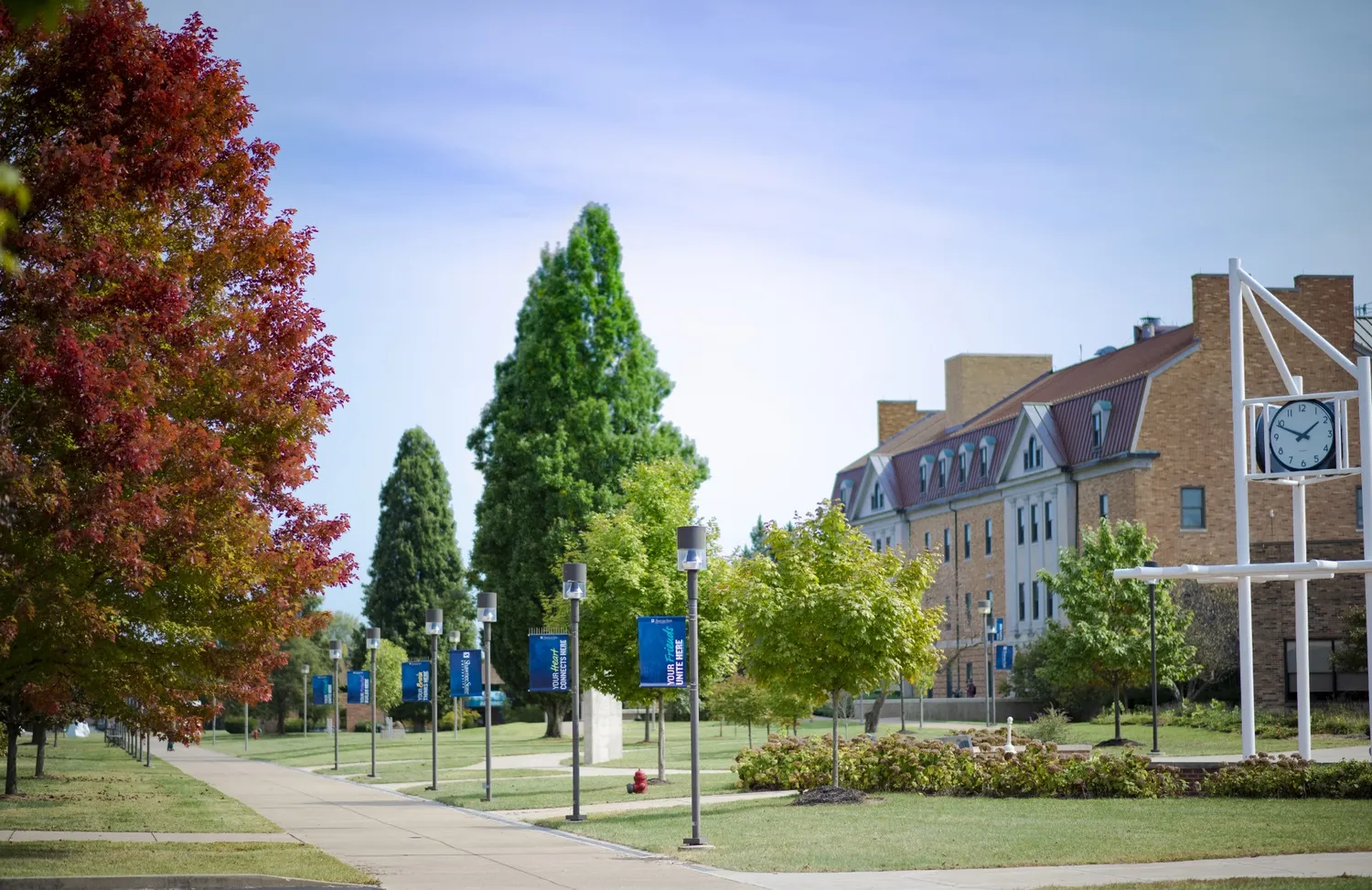
Coursework is taught in Massie Hall on the Portsmouth campus, with field components throughout Southern Ohio's ecosystems.
Environmental Life Science Minor Frequently Asked Questions
Environmental Life Science is biologically focused — ecology, field methods, and environmental biology. Environmental Earth Science leans toward geology, hydrology, and climate. If you can't decide, talk with an advisor about which fits your goals.
Yes. BIOL 2201 Field Methods is built around environmental data collection in the field, and ecology and environmental science courses include applied components.
Often, yes — especially for biology and natural sciences majors. Confirm specifics with your advisor before you register.
