Environmental Earth Science Minor
Study the dynamic systems of our planet — climate, water, land, and the human impacts shaping them — and add a credential that strengthens science, education, and policy degrees.

Program Overview
The Environmental Earth Science Minor at Shawnee State University offers students a multidisciplinary approach to understanding Earth’s systems, human impacts on the environment, and the tools used to study and manage environmental change. This 21-credit-hour minor pairs well with majors in biology, chemistry, health sciences, education, and social sciences.
Through coursework in geology, hydrology, climate change, and geospatial technology, students gain knowledge and skills that are applicable in environmental consulting, resource management, education, and public policy. Whether you're interested in scientific research or applied environmental problem-solving, this minor adds depth and relevance to your academic and career path.
At A Glance
Environmental Earth Science Minor
Degree
Minor
Format
On campus
Length
Complete alongside your major
Credits
21
Why Study Environmental Earth Science Minor at Shawnee University
You'll work across disciplines: geology, hydrology, climate science, GIS, and environmental policy — not just one slice of Earth science.
Coursework includes Geographic Information Systems and Applied Biostatistics, two skills employers and graduate programs ask about by name.
The minor pairs cleanly with majors in biology, chemistry, health sciences, education, and social sciences — and it shows up well on a resume for environmental consulting, resource management, or public policy work.
You'll learn in small classes from faculty who teach by name and can recommend you for research, internships, or graduate programs.
The Environmental Earth Science minor is 21 credit hours across biology, geology, and environmental science. A grade of "C" or better is required in all minor courses.
- BIOL 2200 Applied Biostatistics
- GEOL 1350 Planet Earth
- GEOL 1401 Climate Change
- GEOL 4311 Surface and Groundwater Hydrology
- GEOL 4420 Introduction to Geographic Information Systems
- NTSC 1501 Environment and Society
- Biology, chemistry, and natural sciences majors
- Health sciences majors interested in environmental health
- Education majors preparing to teach earth or environmental science
- Political science and sociology majors focused on environmental policy
- Anyone considering graduate study or a career in environmental consulting, conservation, or sustainability
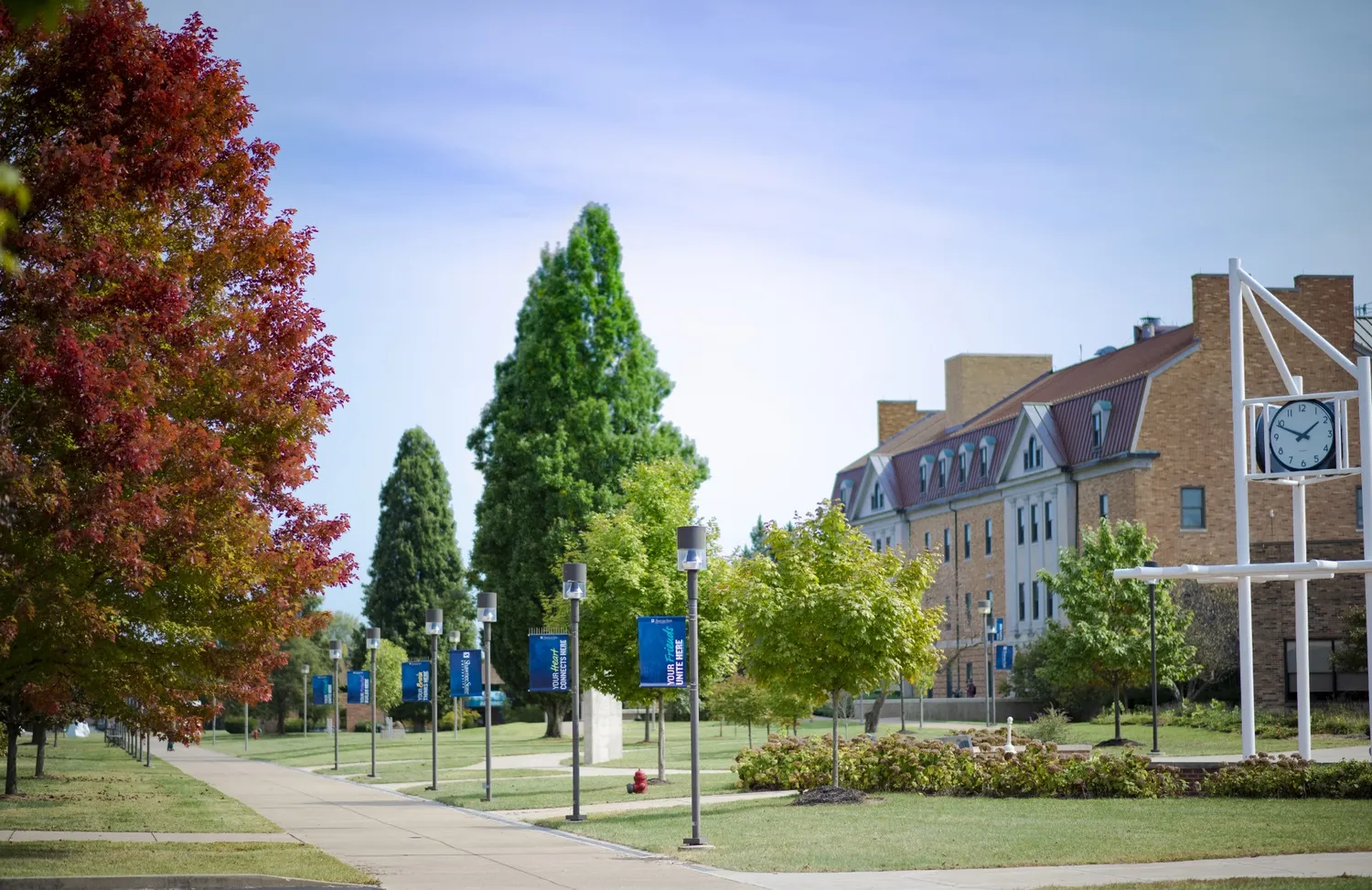
Coursework is taught in Massie Hall on the Portsmouth campus, with field components in Southern Ohio's diverse geology and ecosystems.
Environmental Earth Science Minor Frequently Asked Questions
No prior major-level science is required, but you'll want to plan biostatistics and the geology sequence with your advisor so prerequisites land in the right order.
It depends on your major. Biology and Natural Sciences majors usually find significant overlap. Talk with your advisor about which courses will double-count.
Yes. GEOL 4420 Introduction to Geographic Information Systems gives you applied work with GIS software you'll see in environmental, planning, and consulting jobs.
