Chemistry Minor
Build a real working knowledge of chemistry — organic, analytical, physical, and inorganic — and strengthen any STEM, engineering, or pre-health degree.
Program Overview
Career Outcomes
At A Glance
Chemistry Minor
Degree
Minor
Format
On campus
Length
Complete alongside your major
Credits
General Chemistry 1 & 2 plus 12 elective hours
Why Study Chemistry Minor at Shawnee University
You'll start with General Chemistry 1 and 2 — the same calculus-supported foundation chemistry majors get — then choose 12 credits across organic, analytical, physical, and inorganic chemistry.
Hands-on lab coursework is built into the minor. You work in dedicated lab spaces in the Department of Natural Sciences, not borrowed classrooms.
Small classes mean you'll get individual feedback on lab technique and problem sets, and faculty will know your work well enough to recommend you for research or graduate study.
The minor pairs especially well with engineering technology, biology, and pre-health programs where understanding reactions and materials matters.
The Chemistry minor requires General Chemistry 1 and 2, then 12 credit hours of Chemistry electives across the major subfields.
- Foundation: General Chemistry 1 and General Chemistry 2
- 12 elective credit hours in Chemistry, with options across organic, analytical, physical, and inorganic chemistry
- Electives can be focused in a single area or spread across subfields
- Engineering technology majors who want a stronger materials and reactions background
- Biology and pre-health students preparing for medical, dental, pharmacy, or graduate programs
- Environmental science majors who need chemistry to interpret field and lab data
- Any student wanting deeper chemistry coursework than a single intro course provides
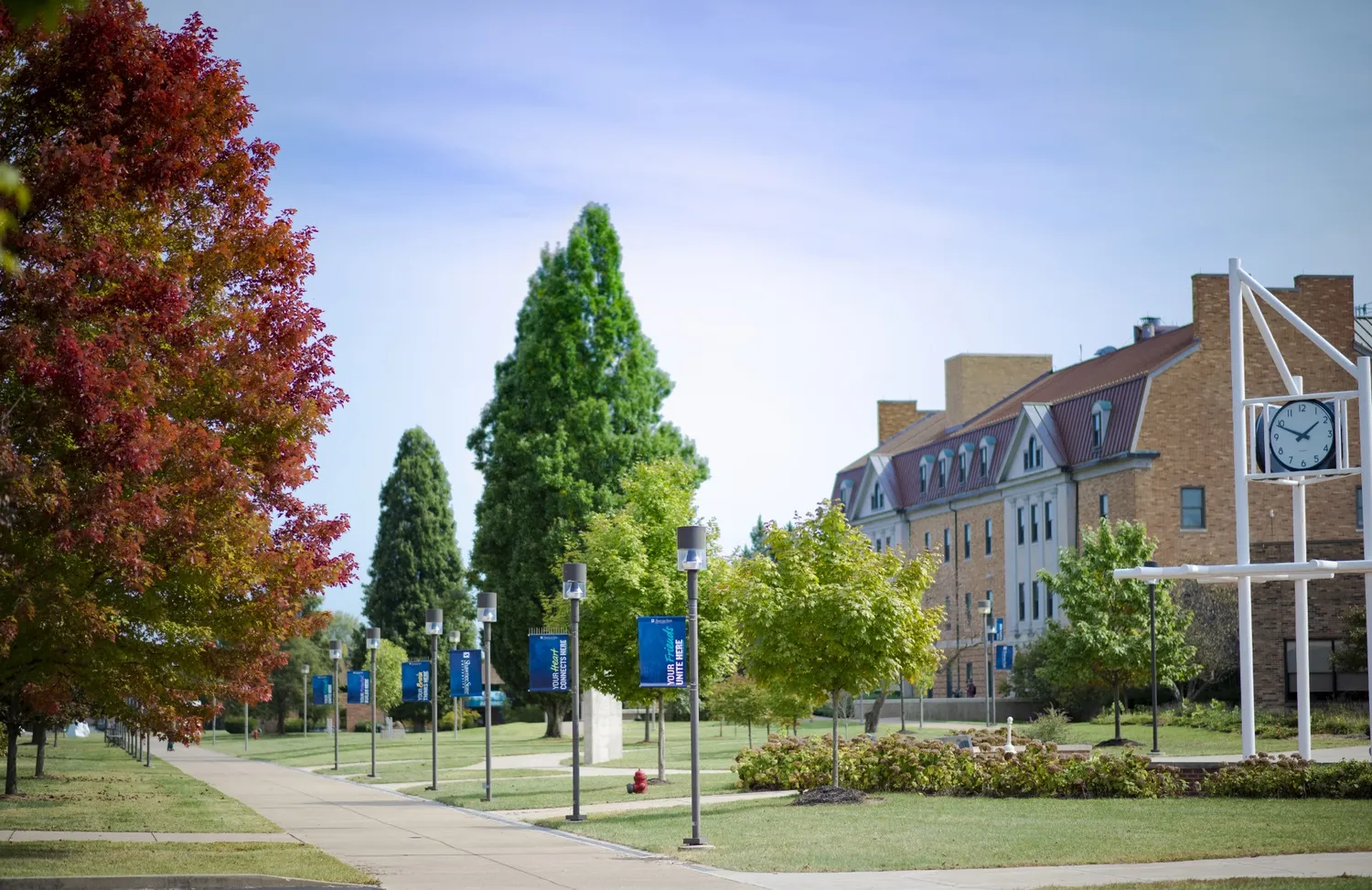
Chemistry coursework and labs are taught in Massie Hall on the Portsmouth campus.
Chemistry Minor Frequently Asked Questions
No. Any major can declare the minor, but you should plan for the math and lab time General Chemistry 1 requires.
Yes. Some students concentrate their 12 elective hours in one subfield; others spread them across organic, analytical, physical, and inorganic. Talk with an advisor to plan the right path for your goals.
It's a strong complement. Many professional programs expect coursework beyond General Chemistry, and the minor structures that for you.
