Grant Preparation Minor
Learn how to turn a good idea into funded work — by combining real research, real data analysis, and writing that wins grants. Eighteen credit hours that pair with almost any major.
Program Overview
The minor in grant preparation at Shawnee State University provides students with a cross-disciplinary foundation in identifying social problems, analyzing data, and securing funding through effective grant writing. Combining key concepts from sociology, communication, and rhetoric, this 18-credit-hour minor is ideal for students pursuing careers in nonprofits, education, healthcare, public service, or community development.
Students will gain essential skills in data analysis, research methods, and persuasive writing. By learning to combine technical communication with social science research, grant writing classes prepare graduates to tackle real-world challenges through impactful, fundable solutions.
At A Glance
Grant Preparation Minor
Degree
Minor
Format
On campus
Length
Typically completed alongside a bachelor's degree
Credits
18 credit hours
Why Study Grant Preparation Minor at Shawnee University
Few campuses package research, data analysis, and grant writing into one minor. Most students learn these skills separately — or on the job, badly. Here you learn them together.
Coursework is split between Social Sciences (research and data skills) and English & Humanities (technical communication and grant writing rhetoric).
You finish able to identify a problem, document it with evidence, and write a proposal someone might fund. Nonprofits, schools, health systems, advocacy groups, and government agencies all run on grant money.
Knowing how to prepare grant applications makes you immediately useful in any of those settings.
The minor is interdisciplinary by design — collaboration across departments is built into the coursework, not bolted on.
The minor is 18 credit hours, split between two departments: 12 hours in Social Sciences and 6 hours in English & Humanities. A grade of C or better is required in all courses.
- Social Sciences core (12 credit hours): SOCI 1101 — Introduction to Sociology; SOCI 2212 — Quantitative Methods in Sociology; SOCI 2213 — Qualitative Methods in Sociology; SOCI 3600 — Data Visualization
- English & Communication core (6 credit hours): COMM 2121 — Technical Communication; RHET 4105 — Grant Writing and Rhetoric
The Grant Preparation minor is especially valuable for students whose careers will involve identifying community needs, building evidence, and writing for funders.
- Social Work and Sociology majors heading into nonprofit or community-based work
- Public Health majors planning to work in health systems, foundations, or government health programs
- Communication and English majors who want to apply writing to social impact careers
- Political Science majors interested in policy, advocacy, or government roles
- Business and Education majors who'll work in mission-driven organizations
- Anyone planning a career in nonprofits, advocacy groups, government agencies, or community outreach
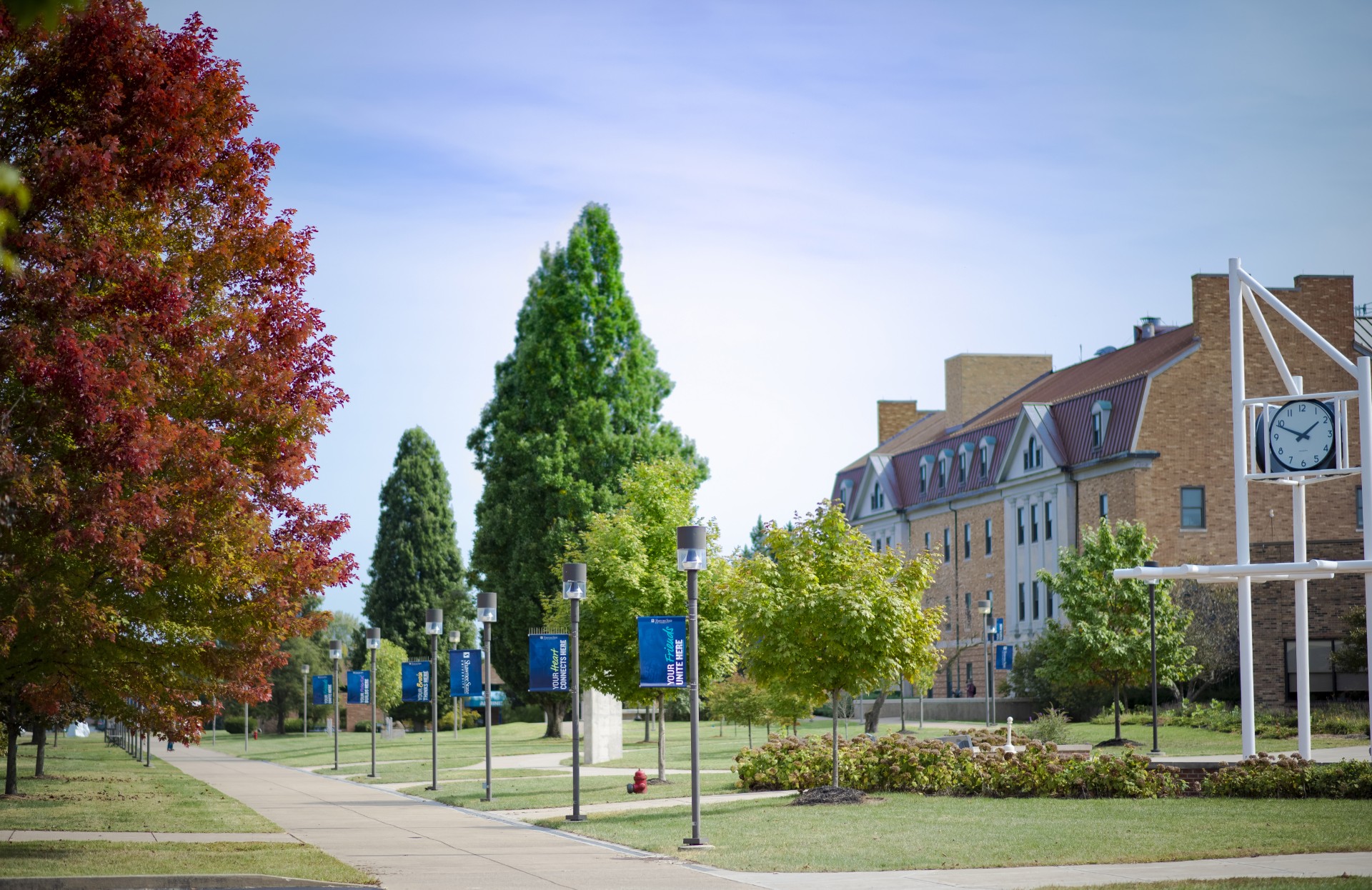
Courses meet on Shawnee State's Portsmouth campus, primarily in Massie Hall (Social Sciences) and the English & Humanities building.
Grant Preparation Minor Frequently Asked Questions
Nonprofit program managers, foundation officers, public health coordinators, school district staff, hospital development offices, university research teams, government agency program staff — the list is long. Most mission-driven organizations rely on grant funding.
No. The minor is open to any major. The sociology methods courses teach you to gather and analyze evidence; the writing courses teach you to communicate it. Both start from the basics.
Because real grant work is both — the research/data side (Social Sciences) and the writing/communication side (English & Humanities). Splitting the coursework lets you learn each from faculty who specialize in it.
Courses are on campus; some sections may be available online or hybrid. Confirm with your advisor.
